

The Truth Behind Child Care Schools in Singapore
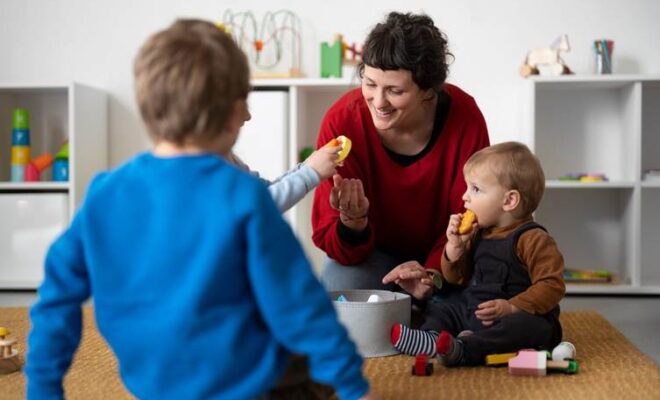
Few topics stir as much discussion among parents as early childhood education. From the cost of programmes to curriculum philosophies, the question of what defines quality care remains as heated as ever. Choosing the right child care school in Singapore has become both a practical and emotional decision. How early is too early to send their little ones to an infant day care centre?
When Should a Child Begin Care?
One of the most debated questions is when a child should begin formal care. For many parents, returning to work soon after maternity or paternity leave makes infant day care in Singapore a lifeline. Yet, some critics argue that babies thrive best with constant parental presence during their first year.
This view often stems from traditional Asian values that emphasise familial caregiving as foundational to emotional development. However, early childhood experts have long pointed out that high-quality care environments can actually support infants’ cognitive and emotional growth.
Is Premium Child Care Worth It?
Another hot-button issue surrounding child care schools in Singapore is cost. Monthly fees can vary dramatically, from modest neighbourhood options to premium international-inspired programmes that promise inquiry-based learning and holistic development.
In reality, the difference often comes down to teacher-to-child ratios, curriculum design, and staff training. Programmes focus on experiential and play-based education, blending care with early cognitive stimulation. Meanwhile, more conventional centres may focus primarily on routines and basic skills. Ultimately, the question is whether it aligns with your child’s needs and your family’s expectations.
Cultural Expectations vs. Modern Child Development
Singapore’s education system has long been driven by achievement. This pressure has trickled down into early childhood, creating the misconception that the earlier a child learns, the better. But pushing structured academics too early can hinder creativity and cause stress. A good child care school in Singapore encourages curiosity, language exploration, and emotional regulation over rote memorisation.
That’s why some schools, particularly those offering bilingual and inquiry-led curricula, have gained traction among modern parents who value a less rigid start. Still, others remain sceptical, preferring traditional classroom-style approaches to ensure “school readiness.”
Guilt, Judgement, and Parental Identity
Beyond logistics and philosophy lies a more personal controversy: the guilt that often accompanies childcare decisions. Many mothers report feeling judged for sending infants to day care “too soon.” Others face the opposite for staying home and “sacrificing” career progress. This tension is almost inevitable.
The key lies in reframing childcare as a partnership. The best child care schools in Singapore work closely with families to build trust and transparency to assure parents that their child is thriving both emotionally and academically. A healthy mindset shift can transform guilt into confidence, recognising that professional caregiving is an extension of love, not its absence.
How Do You Measure Good Care?
Babies and toddlers need familiar faces. Frequent staff turnover can cause anxiety and disrupt attachment formation. Quality care is also about meaningful engagement, such as eye contact, verbal encouragement, and sensitivity to cues.
Hygiene, safety measures, and sleep routines are non-negotiables, especially for infants. Parents touring centres should observe caregiver-child interactions. Warmth, patience, and attentiveness reveal far more about a school’s quality than any marketing slogan ever could.
Technology in the Nursery: Helpful or Harmful?
Another modern controversy involves the use of technology in early learning. Some child care schools in Singapore integrate digital storytelling or touchscreen-based activities, claiming they help children adapt to a tech-driven world. However, excessive screen exposure for infants and toddlers can cause overstimulation and delayed language development.
Use technology sparingly and purposefully as a supplement to hands-on exploration. Building blocks, messy play, and outdoor time remain the gold standard for fostering curiosity and coordination.
Changing Attitudes Toward Care
The COVID-19 years reshaped how Singaporean parents view childcare. Many who previously relied on infant day care centres in Singapore spent prolonged periods caring for their children at home, sparking appreciation for both the challenges and benefits of each environment.
Post-pandemic, there’s been a noticeable shift: parents now demand greater flexibility, transparency, and health safety from childcare providers. This new awareness has led to higher expectations, from sanitation protocols to parent communication apps.
Conclusion
The controversies surrounding childcare evolve as society, science, and family dynamics change. Whether it’s debates over cost, curriculum, or age of entry, the conversation ultimately reflects one shared goal: giving children the best possible start. Parents seeking a child care school in Singapore or an infant day care centre should tune out the noise and focus on their child’s happiness, safety, and growth. The ideal choice is the one that aligns with your family’s values and your child’s unique rhythm. At the end of the day, good care is about love expressed through presence, patience, and trust.
Still weighing your childcare options? Take time to explore. Contact Odyssey – The Global Preschool and ask questions today.