

A Beginner’s Guide to the Royal Academy of Dance Syllabus
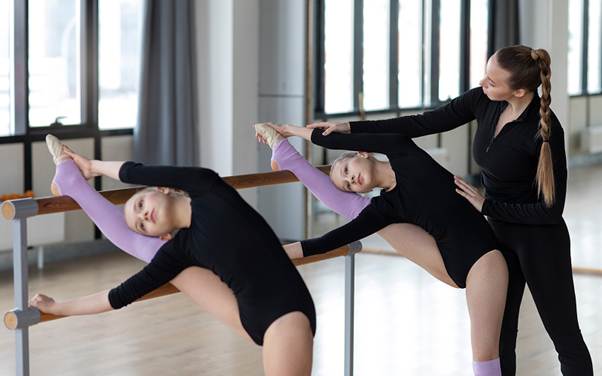
The Royal Academy of Dance (RAD) is a globally recognised dance organisation focused on teaching ballet to individuals of various ages. Designed to develop technical skills, artistry, and performance confidence, the RAD syllabus is adopted by dance schools worldwide. For beginners, knowing the structure, focus areas, and progression of the ballet RAD syllabus is a crucial step before starting lessons.
What is the Royal Academy of Dance?
Founded in 1920, the Royal Academy of Dance aims to promote excellence in dance training, with its syllabus being used in more than 80 countries, and it also caters to students of different ages and skill levels. The organisation places equal emphasis on technique, musicality, and performance, ensuring that dancers progress in a well-rounded way.
The RAD offers both graded and vocational syllabi. Graded examinations focus on developing basic ballet skills alongside character and free movement, while vocational syllabi are for students considering dance as a professional career. The structured approach ensures steady progress while maintaining high teaching and performance standards.
Structure of the Ballet RAD Syllabus
The ballet RAD syllabus is divided into graded levels from Pre-Primary to Grade 8, followed by vocational grades, such as Intermediate and Advanced levels. Each stage builds on the previous one, gradually introducing more complex movements and techniques. This progression allows students to develop strength, flexibility, coordination, and performance skills at a manageable pace.
Graded levels combine ballet with other movement styles, such as character dance, to enhance their versatility. Vocational levels, on the other hand, demand higher technical ability, preparing students for professional or pre-professional pathways. The clear structure makes it easy for students and parents to track progress and set achievable goals.
Key Skills Developed Through the Syllabus
The ballet RAD syllabus aims to cultivate technical precision, artistic interpretation, and musical awareness, where students learn correct body alignment, turnout, and posture while also focusing on expressive performance. Musicality is a strong focus, with choreography and exercises designed to match different tempos and rhythms.
The syllabus develops discipline, focus, and resilience. Regular practice and preparation for examinations instil a sense of commitment, while constructive feedback from instructors helps students improve their skills. These qualities are transferable to many areas of life beyond dance.
Examinations and Assessments
RAD examinations are crucial for the syllabus, allowing students to demonstrate their skills in a structured setting. Trained examiners conduct the exams in a ballet studio in Singapore, which involve performing set exercises, dances, and sometimes improvisation.
While exams are optional, many students find them motivating, as they provide tangible milestones and recognition for their progress. Results are graded, and certificates are awarded to acknowledge achievement. These assessments also help students gain confidence in performing before an audience or adjudicator.
Benefits of Following the RAD Syllabus
Enrolling in a ballet programme based on the RAD syllabus offers multiple benefits. Firstly, it provides a clear and consistent learning path, ensuring students build strong foundations before moving to advanced techniques. Secondly, the global recognition of the syllabus means that students can continue their training at RAD-affiliated schools worldwide without disruption.
Additionally, the syllabus fosters both technical skill and artistic expression, ensuring students become versatile dancers. For younger students, it also introduces teamwork, self-discipline, and creative expression, which are skills that benefit them both inside and outside the studio.
How Parents Can Support Their Child’s Learning
Parents are crucial in helping their children succeed in ballet. Encouraging regular attendance, creating a space for home practice, and showing interest in their child’s progress can make a significant difference. Knowing the expectations of each RAD level helps parents provide the right support and motivation for their kids.
Attending performances, rehearsals, and even exam preparation classes can also strengthen a child’s confidence. This involvement shows that the effort they put into ballet is valued and appreciated.
Conclusion
The Royal Academy of Dance syllabus offers a structured framework to help individuals learn ballet. Whether a child is taking their first steps in Pre-Primary or advancing towards vocational grades, the ballet RAD system ensures they gain not only dance skills but also discipline, confidence, and a love for the art form. For parents and students beginning their ballet journey, knowing this syllabus is a key step towards achieving long-term dance goals.
Begin your child’s ballet journey with confidence. Contact AQ Dance to enrol in their ballet RAD programme and support their growth in technique and artistry.