

Why Cameras Capture Light Orbs: The Science of Reflections and Lens Flare
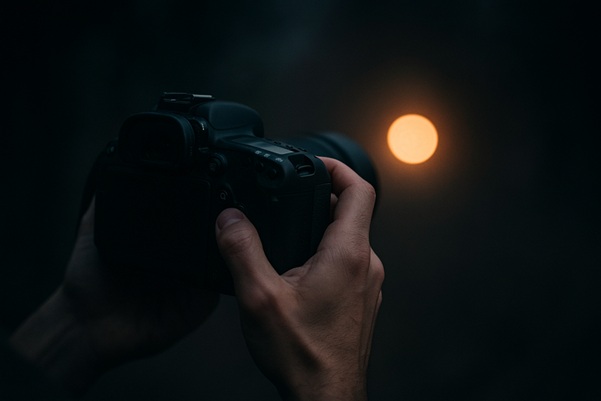
Have you ever scrolled through a photo and noticed mysterious glowing spheres hovering in the frame? Many people instantly assume these “light orbs” are paranormal or supernatural. But in reality, science offers a fascinating explanation for these unexpected artifacts. You can explore verified sightings and detailed analyses by checking the collection of light orb reports. Understanding why cameras capture light orbs involves a mix of physics, technology, and human perception.
What Are Light Orbs?
Light orbs are small, often circular spots that appear in photographs or videos. They may seem to float in the air, move unpredictably, or even change intensity. While some people associate them with spirits or otherworldly entities, scientists point to much more grounded explanations: reflections, lens effects, and environmental particles.
Most light orbs captured in images are the result of camera-based phenomena rather than something physically present in the environment. This is why orbs often appear in photos taken with flash or in low-light conditions.
The Role of Dust, Moisture, and Particles
One of the most common causes of light orbs is tiny particles suspended in the air. These can include dust particles, pollen grains, water droplets, or even small insects. When a camera flash illuminates these particles, light bounces off them and reflects into the lens. Because these particles are close to the lens, they appear out of focus and form a circular, glowing shape—the classic orb.
Interestingly, these orbs often appear more pronounced in digital photography than in film photography. Modern digital cameras, with their sensitive sensors, capture light differently, making these particles more noticeable.
Lens Flare: How Light Interacts With the Camera Lens
Another major contributor to orbs is lens flare, an effect caused when a bright light source hits the camera lens directly. Common sources include streetlights, sunlight, or even reflective surfaces. Lens flare can create circular or polygonal shapes, streaks of light, or glows around objects.
Lens flare is amplified in cameras with multiple lens elements or when shooting in certain conditions. It is especially noticeable in wide-angle lenses or when shooting towards bright lights at night. Smartphone cameras can produce it as well, and the small size of phone lenses can sometimes exaggerate the effect, making orbs appear more prominent.
Optical Illusions: How Focus and Aperture Affect Orbs
The way a camera focuses can also create the appearance of orbs. When a small particle is close to the lens and outside the depth of field, it appears blurred and glowing. The aperture setting affects the shape of this blur. A round aperture produces a classic orb shape, while a polygonal aperture can produce more geometric light artifacts.
Even without flash, bright background lights can create orbs through reflections in the lens elements. Photographers often encounter this when shooting cityscapes at night or capturing images in foggy or humid environments.
Environmental Factors That Enhance Orb Visibility
Certain environmental conditions make orbs more likely to appear in photos:
- Low-light conditions – Orbs are more noticeable when the camera compensates with higher ISO settings.
- Fog or mist – Moisture in the air scatters light, amplifying the orb effect.
- Reflective surfaces – Water, glass, or metal can create secondary reflections captured as orbs.
These factors explain why some photographers notice orbs only at specific times or in particular locations. By understanding these environmental influences, we can often predict when orb appearances are most likely to occur.
Debunking Myths: Are Orbs Paranormal?
Despite countless claims of supernatural origins, there is no scientific evidence supporting the idea that orbs are ghosts, spirits, or other paranormal entities. Most orb sightings are well-explained by physics and camera mechanics.
Scientists and photography experts encourage anyone interested in unusual light phenomena to examine the conditions under which orbs appear.
The Fascination With Light Orbs
Even though the science behind orbs is straightforward, these glowing spheres continue to capture the imagination. Part of the fascination comes from how effortlessly they appear mysterious in photographs. A small, out-of-focus dust particle can suddenly seem like a floating, ethereal presence.
People submit images, track sightings, and contribute to a collective understanding of these phenomena, bridging the gap between casual curiosity and scientific inquiry.
Tips for Capturing Clear Photos Without Orbs
For photographers who want to minimize unwanted orbs in their images, here are some practical tips:
- Avoid using flash directly on reflective particles – Use natural or diffused lighting instead.
- Keep the lens clean – Smudges or dust on the lens can create orbs.
- Adjust focus and aperture – A narrower aperture increases depth of field, keeping nearby particles from blurring into glowing orbs.
- Experiment with angles – Changing the angle of light sources reduces reflections and flare.
Understanding how orbs form allows photographers to control or embrace them creatively, depending on the desired effect.
Science Makes the Mystery Fascinating
Light orbs are a perfect example of how science demystifies everyday phenomena while still leaving room for wonder. Through the interaction of light, particles, and camera optics, ordinary elements in our environment can produce stunning, mysterious images.
So the next time you spot a glowing orb in a photograph, remember: it’s a blend of physics, optics, and a bit of serendipity. While they may not be supernatural, the science behind them is no less fascinating.