

What Makes a Preschool in Katong Stand Out: Lessons from Faith Preschool’s Approach
Preschool education in Katong continues to evolve as parents seek holistic environments where young children can grow academically and emotionally. A faith-based preschool sets itself apart by providing more than academic readiness. It builds a foundation that nurtures compassion, confidence, and curiosity while shaping moral values early. Understanding what makes this approach stand out helps parents choose an environment where their children can thrive beyond the classroom.
Character Building through Daily Values
A faith-based preschool in Katong cultivates character from the very beginning. Children learn values like kindness, patience, and empathy through everyday routines and interactive activities. Instead of relying on lectures, educators integrate moral lessons into play, story time, and social interactions. This structure allows values to become lived experiences rather than memorised ideals.
Teachers model these values consistently, showing children how respect and understanding guide behaviour. They guide pupils to practise sharing, helping friends, and managing emotions calmly. Through consistent reinforcement, children begin internalising values that form the basis of lifelong habits.
Faith-based learning also provides children with a deeper sense of purpose. They learn to appreciate gratitude, forgiveness, and teamwork in ways that influence how they relate to peers and teachers. Such grounding nurtures maturity and emotional stability early, helping them approach challenges with calmness and confidence.
Balanced Academic and Social Development
Academic progress remains essential, yet a faith-based preschool balances intellectual learning with emotional and social growth. A preschool in Katong typically integrates structured lessons with creative exploration. Through songs, storytelling, and interactive projects, children build cognitive and communication skills while developing curiosity about the world around them.
Teachers design lessons to stimulate problem-solving and independent thinking. Children explore shapes, colours, and numbers using everyday examples, making learning relatable. At the same time, group tasks encourage cooperation, showing pupils how to work harmoniously in diverse settings.
Faith-based frameworks ensure that academic lessons never feel pressured. The focus remains on guiding children to enjoy discovery rather than race towards milestones. This balance prepares them for primary school while keeping their enthusiasm for learning alive.
Supportive Learning Environment
A faith-based preschool in Katong fosters a supportive setting where every child feels valued. Teachers prioritise understanding each pupil’s learning pace and interests. Personal attention ensures that no child feels left behind. Class sizes remain manageable to allow close supervision and meaningful teacher-student interaction.
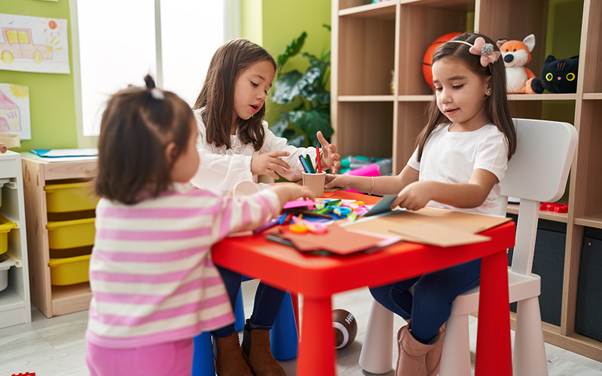
The classroom design also supports engagement. Play corners, reading spaces, and creative art zones encourage participation and exploration. Teachers use visual aids and storytelling to capture attention, promoting learning through multiple senses.
A safe, structured, and inclusive environment builds children’s confidence to express themselves freely. They feel secure making mistakes and trying again, developing resilience and perseverance. Such support lays the groundwork for future success, reinforcing both academic and emotional strength.
Parental Involvement and Community Connection
Faith-based preschools value parental participation as a crucial part of children’s development. A preschool in Katong often involves parents through regular communication, classroom activities, and family events. These engagements help families understand what children experience daily, strengthening the link between home and school.
Parents play an active role in reinforcing lessons beyond the classroom. Faith-based settings encourage home discussions on values, gratitude, and daily reflection. These small yet meaningful activities align family and school objectives, fostering consistency in moral and social development.
Community ties also play a vital part. Many faith-based preschools organise charity drives, community visits, or cultural programmes. Such activities expose children to empathy and social awareness early, helping them see their place within a larger community. The experience builds responsibility and compassion—traits that shape well-rounded individuals.
Faith as a Guide for Growth
Faith serves as the guiding principle that unites academic, emotional, and social learning. In a faith-based preschool, children learn that education extends beyond books. Lessons about kindness, gratitude, and honesty become daily practice, influencing how they act and think.
Prayer, songs, and reflection moments provide rhythm and stability. These practices strengthen concentration and mindfulness while instilling calmness. Children learn to respect diversity and develop compassion towards others, regardless of background or belief.
Faith-inspired learning ultimately develops character and emotional intelligence—essential traits that prepare children not just for school but for life. It encourages purpose-driven growth, helping children find joy in learning and meaning in their interactions with others.
Conclusion
A preschool in Katong stands out when it nurtures children’s hearts and minds equally. A faith-based preschool achieves this balance by integrating academic learning with moral and spiritual guidance. The approach builds character, emotional resilience, and a love for learning that lasts well beyond early childhood.
Parents seeking an environment that promotes holistic development can benefit from exploring this model. It highlights how faith, compassion, and education together create an enduring foundation for growth and happiness.
Contact Little Seeds Preschool for a preschool in Katong that blends nurturing care with purposeful learning to inspire lifelong confidence and curiosity.