

What Makes a Good Chinese Enrichment Curriculum for Preschoolers
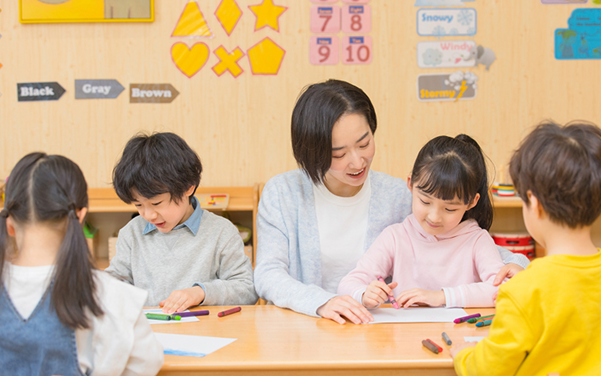
A good curriculum for young learners stays simple, lively and clear. Preschoolers respond well to lessons that grow skills step by step without pressure. A strong programme blends play, sound awareness and guided practice, keeping the learning experience bright and welcoming. When a Chinese enrichment class for preschool focuses on structure and fun at the same time, children gain confidence while enjoying each session.
A Curriculum Built on Sound Awareness
Preschoolers often understand sounds before written words. A curriculum that highlights tones, rhythm and clear pronunciation forms a strong base. Teachers can guide children through songs, chants and short repeated lines. These routines help young learners recognise familiar patterns. When Chinese tuition for preschool takes this route, children gain exposure to natural phrasing through enjoyable activities.
Music can support this area well. Songs allow preschoolers to follow tunes with simple lyrics that mirror daily speech. Repetition helps little ones pick up new words with ease. A Chinese enrichment class for preschool that includes singing and rhythm play gives children a playful entry point. This creates a learning space that remains lively while building practical communication skills.
Vocabulary That Connects to Daily Life
Young children learn quickly when new words link to familiar routines. A curriculum that introduces common objects, actions and feelings makes room for steady progress. Teachers can talk about snacks, routines and simple tasks that children already understand. This sparks interest and helps young learners stay involved.
Chinese tuition for preschool often uses picture cards, short stories and guided conversations to build word recognition. When new vocabulary appears in various contexts, children form strong links with meaning. This creates a natural sense of comfort that supports long term learning.
Activities That Encourage Curiosity
Preschoolers thrive when lessons feel like play. A curriculum that blends crafts, pretend scenarios and hands on tasks allows children to explore new ideas in a relaxed setting. These activities also help children express themselves with ease.
A Chinese enrichment class for preschool may include puppets, simple role-play scenes or matching games. These tasks keep attention steady without rushing children. When learners feel safe to try new words in their own rhythm, they grow in confidence.
Clear Progression Without Pressure
A strong curriculum follows a sequence that supports slow and steady growth. It sets clear goals for each stage while keeping lessons simple. Preschoolers respond well to small targets. Teachers can follow a path that moves from listening to speaking, then from recognising words to short guided phrases.
Chinese tuition for preschool that takes a structured path allows parents and teachers to observe visible improvement. Tracking small wins keeps children motivated. This also helps tutors adjust activities so each session aligns with the needs of the class.
Blending Play With Early Literacy
A curriculum for preschoolers can introduce symbols without forcing memorisation. Large print, colourful characters and gentle tracing activities help children notice details without feeling overwhelmed. Teachers can guide children to spot shapes and strokes, forming early awareness of structure.
Short stories with bright illustrations let preschoolers enjoy reading time. Guided reading and echo reading create a calm and friendly pace. With steady support, children build interest in written form while staying playful.
Teacher Guidance That Supports Confidence
A curriculum works well when trained teachers shape each session with patience. Preschoolers need steady encouragement. Tutors guide each child with small prompts, gentle corrections and clear examples. This makes the learning atmosphere supportive and warm.
Teachers in a Chinese enrichment class for preschool often use expressive speech, visuals and hand motions to help children connect ideas. These methods keep lessons active without overwhelming learners. The teacher becomes a steady anchor who keeps the energy positive.
Practical Benefits Linked to a Strong Curriculum
A well-designed programme helps children learn new words through steady routines that support memory. Repetition also builds comfort with tones and pronunciation. These approaches reflect common methods used in early childhood settings where rhythm, predictability and sensory involvement support language development.
Children also participate well when lessons include music, crafts and simple stories. Many early learning practices highlight strong engagement in classrooms that blend movement, sound and clear instructions. When Chinese tuition for preschool includes these elements, children gain communication skills that support future academic growth.
A clear curriculum also guides parents as they follow their children’s progress. With transparent goals and simple activities, adults can support practice at home. This steady link between home and class strengthens progress.
Explore the Next Step
A well-shaped curriculum keeps learning lively, steady and friendly for young minds. It gives children space to grow at a calm pace while enjoying activities that spark curiosity. When lessons stay clear and playful, preschoolers build confidence that carries into future learning. To support your child’s language journey, Contact Tien Hsia Language School to continue the conversation.