

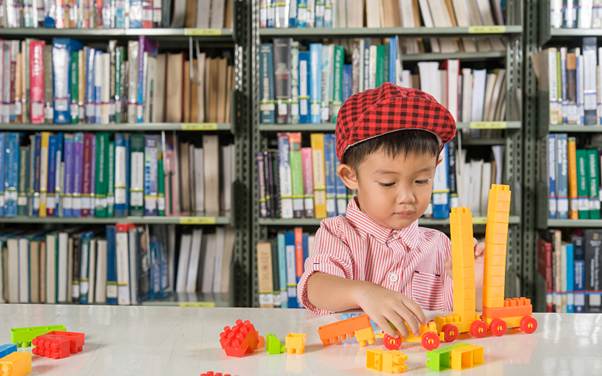
Parents seeking better ways to guide a child’s growth can gain lasting benefits from understanding early childhood education principles. Learning about early childhood education course topics equips them with practical tools for shaping a child’s learning environment, strengthening communication, and supporting emotional and social growth. The knowledge gained is not just theoretical—it can be applied daily to help children thrive at home and in school.
Gaining Practical Insight into Child Development
Parents studying early childhood education principles gain a clear understanding of how children grow physically, cognitively, and emotionally. They start recognising developmental milestones and addressing learning needs more effectively. Knowledge from such studies allows parents to adapt activities at home to match a child’s stage of growth, ensuring consistent stimulation.
Parents also learn to identify learning gaps early. Spotting developmental concerns sooner enables timely intervention, reducing challenges in later years. Understanding behavioural patterns helps them respond with appropriate guidance rather than reactive discipline. Applying these principles promotes balanced growth and prevents delays that could affect school readiness.
Learning about early childhood education course content reveals how structured learning benefits children outside the classroom. Parents replicate effective techniques, such as positive reinforcement and guided play, to encourage active engagement in daily routines. They avoid overwhelming children with unsuitable activities, keeping learning enjoyable and achievable.
Enhancing Communication Skills with Children
Studying early childhood education builds parents’ ability to communicate with children effectively. They start recognising the impact of tone, language choice, and non-verbal cues on behaviour. Effective communication strengthens trust, enabling children to express thoughts and feelings without hesitation.
Parents applying these skills create supportive environments where children feel safe exploring ideas. They start asking open-ended questions that encourage critical thinking rather than simple yes-or-no answers. Storytelling, role-play, and conversational games become tools for improving vocabulary and comprehension.
Understanding how children process information helps parents adjust their communication style for clarity. For example, breaking instructions into smaller steps prevents confusion and keeps children focused. Clear, consistent communication also reduces frustration for both parties, creating smoother daily interactions at home and in public settings.
Encouraging Learning through Play
Parents who understand early childhood education principles value play as a primary method of learning. They start integrating purposeful play activities into everyday life, such as sorting household items by colour, counting groceries, or role-playing real-world scenarios. These activities help children develop problem-solving skills while keeping them engaged.
Play-based learning fosters creativity and imagination while building academic foundations. For example, board games can teach number recognition and turn-taking, while art projects strengthen fine motor skills and self-expression. Parents familiar with such strategies know how to maintain a balance between structure and freedom, ensuring children remain motivated.
Having knowledge about early childhood education course topics ensures parents select age-appropriate play that targets specific developmental goals. They also avoid overstimulating children with too many toys or activities, focusing instead on those that deliver measurable learning outcomes.
ALSO READ: Career Prospects After Completing an Early Childhood Education Degree in Singapore
Building Stronger Parent-Teacher Partnerships
Understanding early childhood education principles enables parents to collaborate more effectively with educators. They can interpret feedback from teachers with better clarity, identify strengths and weaknesses in a child’s learning, and work on targeted improvements at home.
Parents with such understanding communicate confidently during parent-teacher meetings. They know how to ask relevant questions and provide meaningful input that supports curriculum goals. Shared knowledge helps maintain consistency between home and school, allowing children to progress without conflicting methods.
Awareness of classroom teaching strategies, such as thematic learning or inquiry-based approaches, enables parents to reinforce similar concepts outside school. This alignment accelerates skill development and boosts confidence in young learners, making transitions between school and home smoother.
Fostering Emotional Resilience and Social Skills
Parents informed about early childhood education focus on developing emotional intelligence alongside academic skills. They practise strategies that teach children to recognise and manage emotions, such as naming feelings, using calming techniques, and resolving conflicts peacefully.
Understanding peer interaction patterns helps parents guide children in forming healthy friendships. They start modelling respectful behaviour, active listening, and empathy, creating a strong foundation for positive social habits. Parents also encourage group activities, such as community events or playdates, to strengthen teamwork and cooperation.
Exposure to concepts within an early childhood education course helps parents prevent social and emotional challenges that could arise in school environments. Children with these skills handle stress better, adapt faster to new situations, and engage more effectively with peers and adults.
Strengthening Long-Term Educational Outcomes
Parents applying early childhood education knowledge often see long-term academic benefits in their children. Understanding how foundational skills like literacy and numeracy development allows them to provide targeted support from the start. These children enter formal schooling with stronger skills, reducing the need for remedial support later.
Parents also learn how to foster curiosity and a love for learning, which carries into higher levels of education. By maintaining a stimulating home environment, they sustain children’s interest in exploration and problem-solving, leading to stronger performance in diverse subjects.
Knowledge about early childhood education course elements ensures parents keep learning experiences aligned with developmental goals, preventing gaps that could hinder future progress. The result is a confident, well-prepared learner ready to face academic challenges.
Gain the skills to actively support your child’s learning and growth. Visit Asian International College (AIC) for an early childhood education in Singapore and start making a lasting difference today.
