

As you learn about different learning styles, you’ll come to find that different aspects stand out for every child. Learning comes in different styles and every person has their way of attaining information. If your child is falling back in certain subjects in school, it doesn’t mean they are incapable, it may mean the learning style used doesn’t suit them. Just like understanding teaching styles in schools, understanding learning styles can help your child have a smoother journey from the start of their learning experience. Here are 4 different learning styles you need to know:
Kinaesthetic
These types of learners are usually active and learn through movement. They are usually quite fidgety and don’t like to be sat in one place for too long. You may notice them doing two things at once such as reading a book whilst moving around. A hands-on approach is the best way for these learners. They retain information best through activities such as learning to count whilst bouncing a ball or practising new letters through a treasure hunt.
Tactile
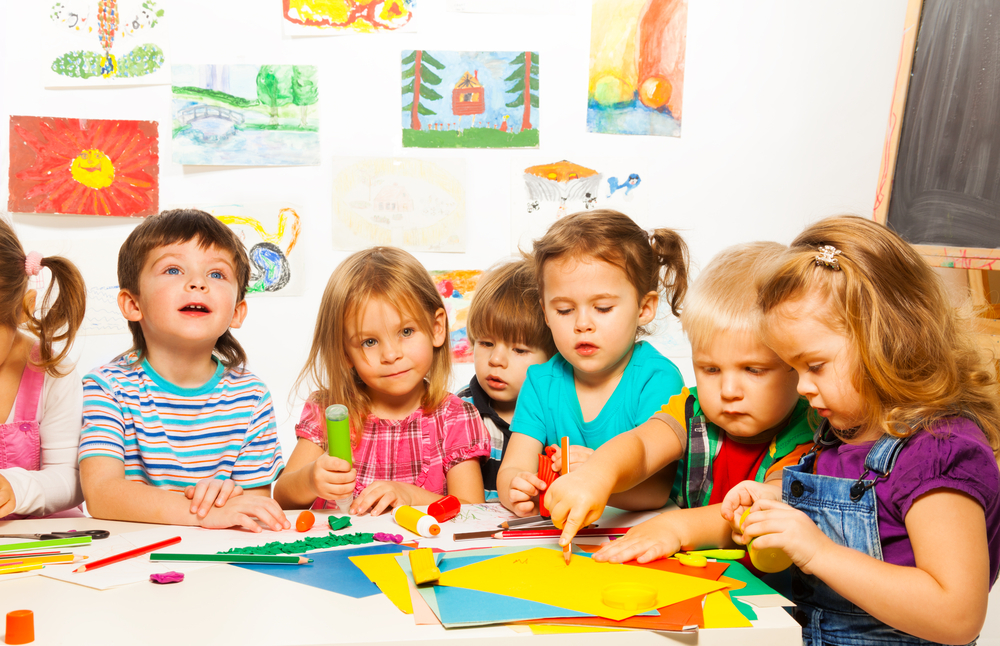
Tactile learners also learn best through movement, however, they prefer to use sensory stimulation more. In class, activities such as drawing, painting, arts and crafts and playdough are great ways for them to get their thinking caps on. Exploring activities like puzzles, building blocks and messy play are great at aiding children in picking up content in lessons.
Auditory
These learners pick up information through sound. They understand oral directions and like to read out loud. Learning through song and using music to teach is one of the best ways to get these learners engaged. They tend to be talkative and may hum or sing as they complete tasks. These learners retain information best when using songs, listening to stories being told, reading out loud and listening to audiobooks.
Visual
Visual learners learn through seeing. They pay close attention to movement and enjoy seeing demonstrations when learning how to do something. Videos, diagrams and maps are great ways for them to learn something new. These learners learn best when creating visual aids for plans, drawing out shapes when learning to count and creating maps when learning about the world.
There is no right way to learn or methods that work better than others. Finding out your child’s learning style will allow them to excel at every task they do and is most effective when introduced at a young age.
