

Infant Care vs. Childcare in Singapore: Which One Fits Your Needs?
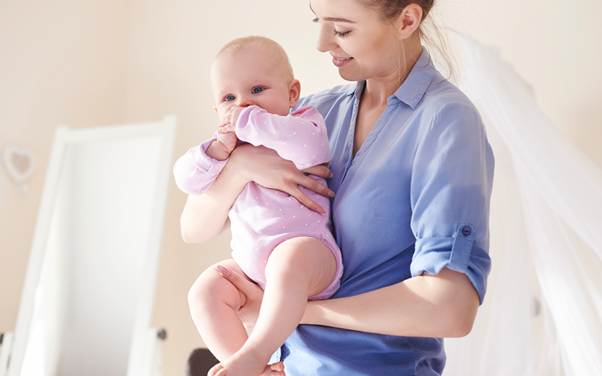
With many centres offering services for children, the choice usually comes down to infant care in Singapore or childcare in Singapore, depending on your child’s age and your family’s requirements. While both provide safe environments for children, the services, programmes, and costs differ. Understanding these differences will help you decide which option is most suitable.
Age Group and Admission Requirements
The first distinction lies in the age group each service caters to. Infant care in Singapore is designed for babies as young as two months up to 18 months. It provides a structured environment for nurturing basic skills and meeting developmental milestones in the earliest stage of life. Childcare, on the other hand, caters to children aged 18 months to six years, preparing them for primary school through structured learning and social interaction. Knowing which stage your child falls into will determine the care option available to you.
Focus of the Programmes
Infant care places emphasis on meeting basic needs such as feeding, sleeping, and developing motor skills. Activities are usually designed around sensory play, bonding, and supporting emotional development. Childcare centres go a step further by focusing on structured education. They introduce children to literacy, numeracy, and social skills while encouraging independence. This difference in focus makes infant care more nurturing, while childcare takes a more educational approach to prepare children for school.
Daily Routines and Activities
Infant care routines revolve around each baby’s natural rhythm. Caregivers ensure regular feeding, naps, and playtime in a safe and calm environment. Activities like storytelling, music, and tactile play are introduced gradually to stimulate learning. Childcare centres, however, follow a more structured timetable. Children participate in group learning, physical play, and enrichment programmes designed to support holistic development. Parents should consider which routine best fits their child’s stage of growth.
Caregiver-to-Child Ratio
Another key factor is the ratio of caregivers to children. Infant care centres maintain a lower ratio to provide more individualised attention, as babies require constant supervision and hands-on care. In childcare settings, the ratio is higher since children are more independent and able to engage in group activities. This distinction means infant care is more resource-intensive, which influences fees. Parents should weigh the level of attention their child requires when making a choice.
Costs and Subsidies
Infant care fees tend to be higher due to the intensive level of care and smaller class sizes. Childcare in Singapore is more affordable in comparison, particularly as children grow older and require less direct supervision. The government provides subsidies for both infant care and childcare, with higher subsidies available for families with lower household incomes. Parents should check their eligibility and factor these into their financial planning when evaluating options.
Social and Developmental Benefits
Infant care supports early emotional security and physical development, laying the groundwork for future learning. Babies in these centres benefit from social exposure and guided play that builds early communication skills. Childcare provides broader opportunities for children to socialise, learn teamwork, and develop independence. The exposure to structured group learning helps children adjust more easily when they transition into formal schooling.
Convenience and Accessibility
Practical considerations also matter. Many centres offer full-day and half-day options for both infant care and childcare, catering to different family schedules. Location is another factor, as choosing a centre close to home or work reduces commuting stress. Parents should also assess the operating hours and whether they align with their working commitments.
Preparing for Transitions
Children who start in infant care will eventually move on to childcare as they grow. Parents should plan ahead for this transition, ensuring continuity in their child’s care and education. Choosing a centre that offers both services under one roof can make the shift smoother and more familiar for the child.
Choosing the Right Option for Your Family
The decision between infant care and childcare depends on your child’s age, developmental needs, and your family’s lifestyle. Parents with very young babies may prefer infant care for its nurturing environment, while those with toddlers and older children may find childcare more suitable for its structured learning. It is important to visit centres, speak with caregivers, and understand the programmes offered before making a commitment.
For more information about infant and childcare in Singapore, contact E-Bridge Pre-School today.