

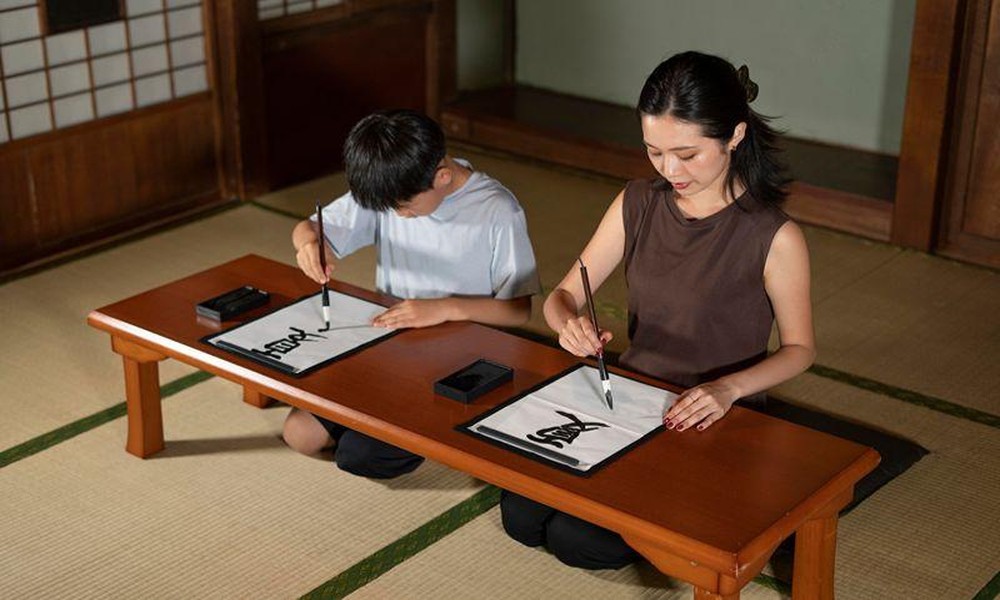
Parents often consider enrolling their child in a tuition centre in Singapore when they notice how challenging primary Chinese tuition in Singapore becomes. At this stage, students face new expectations in vocabulary, comprehension, writing, listening, and overall language application. The jump from P3 to P4 is significant, and many children need more structure to manage the shift. Primary Chinese tuition includes longer passages, richer vocabulary, and more demanding exam formats, which can overwhelm learners without proper guidance. Understanding these challenges helps parents support their child with timely intervention and consistent learning habits.
1. Difficulty Adapting To More Complex Vocabulary
One of the first challenges kids face is an increase in language complexity. Advanced characters, words with numerous meanings, and colloquial idioms are introduced in primary Chinese tuition. Through systematic repetition and contextual practice, a tutoring centre in Singapore assists pupils in learning and using these words. Children become more confident readers and writers when they can deconstruct characters and identify patterns.
2. Struggles With Longer Reading Comprehension Passages
Reading comprehension becomes noticeably harder in primary Chinese tuition. Students are expected to read longer passages filled with detailed information and subtle clues. Many feel frustrated when they cannot finish on time or misinterpret key points. A tuition centre in Singapore teaches strategies such as identifying keywords, using context, and summarising paragraphs. These skills help learners handle the increased complexity and improve accuracy.
3. Increased Difficulty In Writing Composition
Writing shifts from simple sentences to structured paragraphs with descriptive detail. Students may struggle to organise ideas or use appropriate vocabulary. Tutors at a tuition centre in Singapore support writing development by teaching sentence expansion, paragraph flow, and idea generation techniques. With practice, children learn to express themselves clearly and confidently in primary Chinese compositions.
4. Challenges With Memorisation And Retention
Primary Chinese tuition requires students to retain a wide range of vocabulary, phrases, and grammar structures. Children often forget characters soon after learning them because they have not yet built strong memory habits. A tuition centre in Singapore uses spaced repetition and application-based exercises that help reinforce recall. When students repeatedly see and use new words, retention becomes more natural.
5. Difficulty Understanding Verbal Instructions
Listening comprehension plays a growing role in school activities and assessments. Students who struggle to follow verbal directions may misunderstand tasks or complete them incorrectly. A tuition centre in Singapore provides guided listening exercises that help children focus on tone, sequence, and key words. Strong listening skills support overall performance in primary Chinese tuition and improve classroom participation.
6. Lack Of Confidence When Speaking
Some children feel nervous when speaking Mandarin, especially if they are more exposed to English at home. They hesitate to answer questions or avoid participating in class discussions. Chinese enrichment builds speaking confidence through simple dialogues, role play, and repeated oral practice. A tuition centre in Singapore reinforces these habits by offering a safe environment for students to practise without fear of mistakes.
7. Difficulty Managing Exam Pressure
Primary Chinese introduces more demanding exam structures. Students face time constraints, multiple sections, and higher standards for accuracy. Many feel overwhelmed when they cannot finish papers or struggle with challenging questions. A tuition centre in Singapore helps students build exam strategies through targeted drills, timed practice, and clear step-by-step methods that reduce anxiety and improve performance.
8. Trouble Linking Vocabulary To Real Usage
Some children memorise words but cannot apply them effectively in sentences, comprehension, or writing. This disconnect often leads to mistakes, even when they recognise characters. A tuition centre in Singapore bridges this gap by teaching practical application. Students learn how vocabulary functions in different contexts, which strengthens their understanding and improves overall language fluency.
9. Weak Foundations From Previous Years
When primary Chinese becomes difficult, it often reveals gaps from earlier levels. Children who struggled with P2 or P3 content may now find themselves overwhelmed. A tuition centre in Singapore identifies these gaps early and provides targeted revision to rebuild missing foundations. Strengthening earlier skills allows students to keep up with current lessons more confidently.
Conclusion
Primary Chinese presents new challenges that affect vocabulary, comprehension, writing, listening, and confidence. These struggles are common and manageable with the right support. When children receive structured guidance and consistent practice, they become more prepared for higher primary levels. Helping them build strong foundations now sets them up for smoother progress in the years ahead.
Contact LingoAce to discover more about structured Chinese learning programs that promote your child’s growth.
