

Key Takeaways
- Early learning environments shape confidence, curiosity, and classroom readiness
- Teaching approach and daily routines matter as much as facilities
- Emotional safety helps children grow academically and socially
- The right preschool experience supports long-term learning habits
Introduction
Choosing a nursery school often feels like the first big educational decision a family makes. It can seem simple at first, yet it carries weight far beyond the early years. The right environment shapes how a child feels about learning itself. Confidence, curiosity, and comfort in new settings do not appear by accident. They grow slowly, day by day, through thoughtful guidance and consistent routines.
In Singapore, where education is taken seriously from the start, this choice can feel even more loaded. Many parents quietly wonder whether one school sets a stronger foundation than another. That question is fair and worth exploring with care.
Learning Confidence Starts Earlier Than Expected
Confidence does not suddenly arrive in primary school. It starts when a child feels safe asking questions, making mistakes, and trying again. A nursery school plays a big role here because it is often the first place where children learn alongside peers rather than family.
When classrooms encourage exploration without pressure, children learn that effort matters more than being right. This mindset stays with them. It shows up later when spelling gets tricky or maths feels unfamiliar. Early reassurance becomes future resilience.
Teaching Style Matters More Than Flashy Facilities
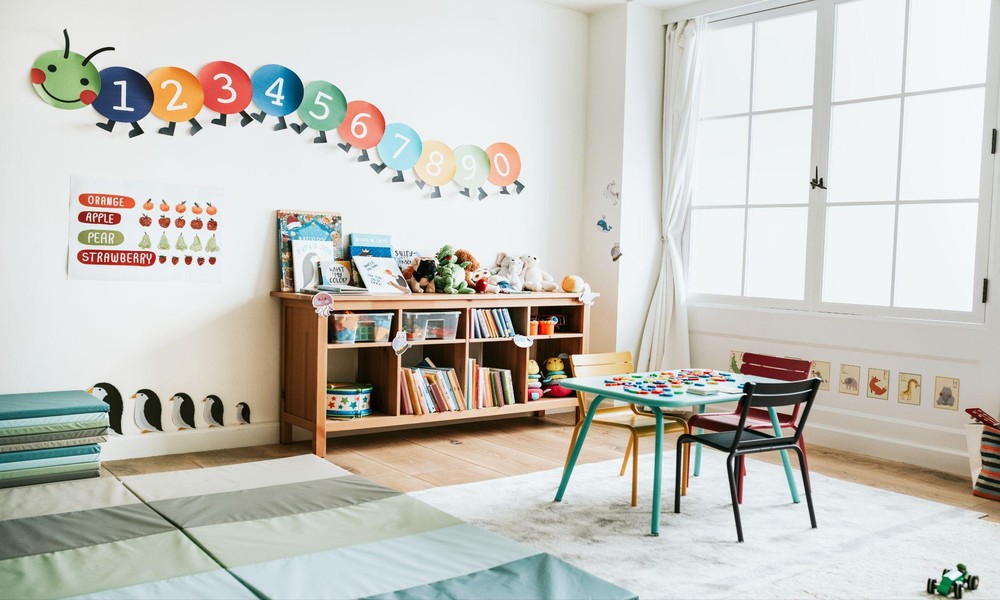
Bright walls and new toys look impressive during school tours, but teaching philosophy carries more influence than appearances. Some programmes focus heavily on worksheets, while others lean into play-based learning with gentle structure. Neither approach is wrong on its own, yet balance is key.
A strong preschool blends guided activities with room to experiment. Children learn numbers while stacking blocks and language while role-playing stories. These moments may look casual, but they build cognitive connections that formal lessons later rely on. Many parents searching for the best preschool in Singapore discover that calm, consistent teaching leaves the biggest mark.
Emotional Safety Shapes Academic Readiness
Before children can focus on letters and numbers, they need emotional stability. A nurturing nursery school understands this. Teachers who notice quiet moods, celebrate small wins, and set clear boundaries create an atmosphere where children feel seen.
This emotional safety encourages participation. A child who feels secure is more likely to speak up, try new tasks, and engage with others. Over time, this turns into classroom confidence. It is a subtle process, but an important one.
Routines That Build Independence
Simple routines teach powerful lessons. Packing away toys, washing hands, and choosing activities may sound minor, yet they foster independence and responsibility. These habits ease the transition into structured schooling later on.
Parents often notice changes at home, too. Children become more comfortable making choices and expressing preferences. This sense of agency supports learning confidence long after preschool ends. It is one reason many families value a nursery school that emphasises daily structure without rigidity.
Social Skills Are Part of the Curriculum
Academic readiness is only one piece of the puzzle. Social learning carries equal importance. Sharing materials, resolving small conflicts, and working in groups prepare children for real classrooms and real relationships.
A well-run preschool treats social moments as learning opportunities rather than disruptions. Teachers guide children through disagreements and model respectful communication. These experiences help children navigate group settings with ease. Families looking for the best preschool in Singapore often prioritise this balance between academic exposure and social growth.
How Parents Can Read Between the Lines
School brochures highlight achievements, but daily interactions reveal more. Observing how teachers speak to children, how transitions are handled, and how feedback is given offers valuable insight. A supportive tone often matters more than ambitious promises.
Open communication with educators also helps. When parents and teachers share observations, children benefit from consistency across home and school. That partnership strengthens learning confidence in quiet, steady ways.
Conclusion
Choosing the right nursery school is less about racing ahead and more about building steady ground. When children feel secure, supported, and curious, learning becomes something they look forward to rather than avoid. That attitude carries through every stage of education.
For families exploring early education options, finding a preschool that values emotional growth alongside academic readiness can make a lasting difference. To learn how a carefully designed programme supports confident, capable learners, contact Raffles Kidz International to discuss enrolment or arrange a visit.
